

“Attribution is not dead. It is critical to marketers remaining at the table and being the business drivers that they are.” – Emily Popson
I’ve been looking forward to this conversation with Emily Popson because attribution is one of those subjects marketers can debate endlessly, and right now, there is plenty to debate.
Emily, Senior Vice President of Marketing at CallRail, did not disappoint.

Emily Popson
We talked about AI changing how buyers discover brands, growing holes in traditional attribution, what marketers need to prove in the boardroom, and why some of the data we have relied on for years is no longer telling us the whole story.
What I appreciated most was Emily’s refusal to declare attribution dead simply because it has become harder.
Her argument is much more useful: our measurement needs to catch up with our customers.
Buyers are researching through AI, talking with colleagues, encountering brands offline, moving between channels, and forming opinions long before they generate the clean digital signals our systems were designed to capture.
So perhaps the challenge is not finding a better click.
It is learning how to connect the clicks with everything happening around them.
Emily calls the result a “quilt of understanding.”
And I think that is exactly what modern marketing leaders need to start building.
Attribution Is Changing Because Buying Is Changing
For years, marketers built increasingly sophisticated systems around clicks, sessions, cookies, and first-touch and last-touch attribution.
But buyers changed.
Gartner’s 2026 B2B buyer research found that 45% of buyers used AI during a recent purchase and 67% prefer a rep-free experience. Buyers are increasingly researching, validating, and forming opinions before conventional marketing and sales systems ever register their behavior.
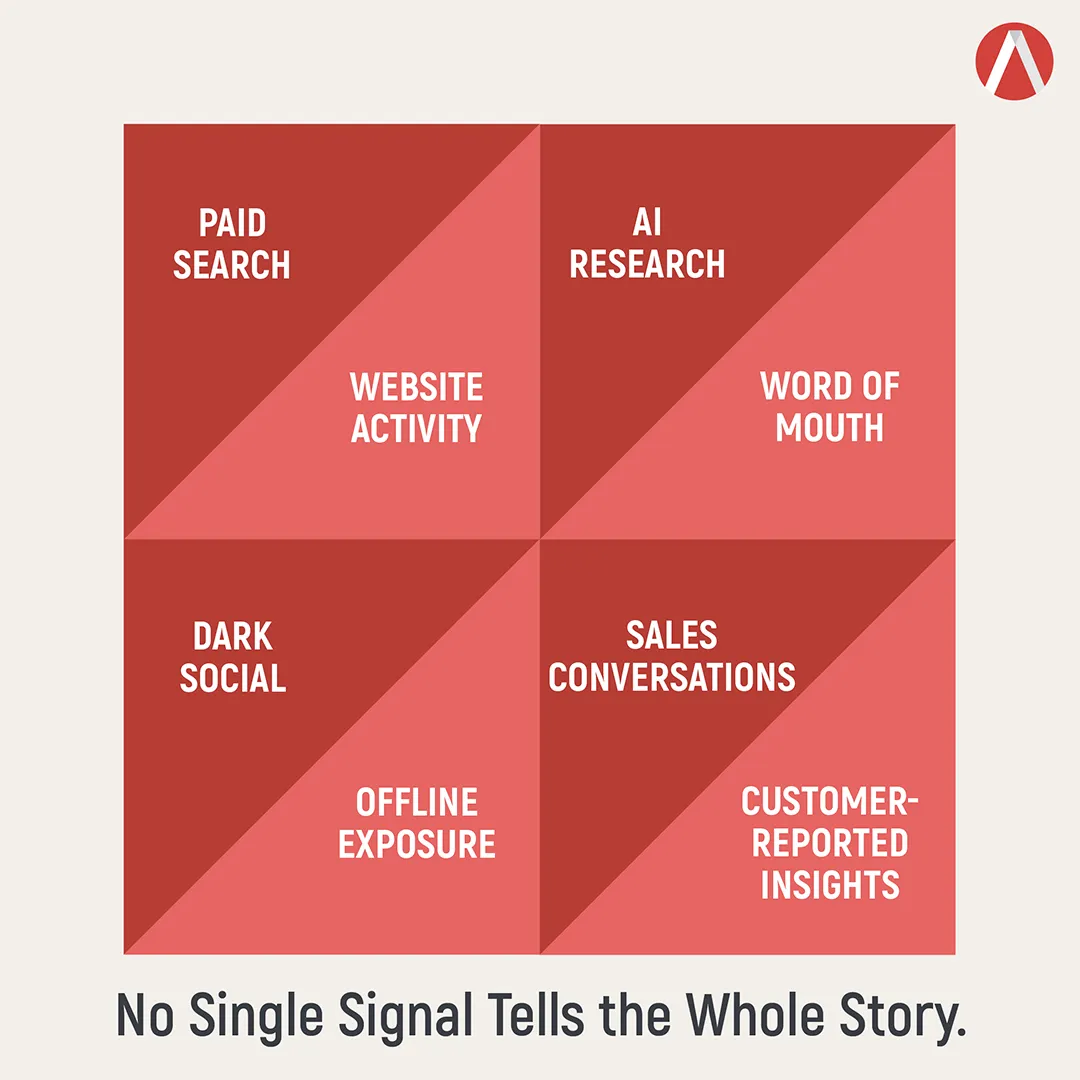
That reinforces Emily’s point. Traditional attribution was built for a journey marketers could see. Today, we need a more complete quilt of understanding that combines digital behavior with conversational intelligence, buyer-reported insights, and long-term revenue outcomes.
Software-based attribution still matters. Emily is adamant about that. It gives us the digital footprint.
It simply cannot give us the entire story anymore.
Stop Reporting Channels. Start Explaining Strategy.
Emily offered one of the most important ideas from our conversation: “It’s no longer about one channel or trying to tell stories about channels. It’s about telling stories about strategies.”
Think about that distinction.
A customer may see an offline campaign, hear about your company from a colleague, use AI to research you, visit your website, and eventually click a paid-search ad.
Did paid search create the customer?
Technically, the attribution system may say yes.
Strategically, we know better.
This is where my StrategyCast Episode 585 conversation with GTM leader Kathleen Booth connects so powerfully to Emily’s thinking. Kathleen reminded us that boardroom credibility begins when marketing stops explaining activity and starts explaining business outcomes:
“The moment the perception changes is when you stop reporting what you did, the activity, and you start explaining what it produced in business terms… that’s when you’re no longer the person running campaigns. You are helping to decide how the company grows.”

Kathleen Booth
That is exactly the opportunity in front of CMOs.
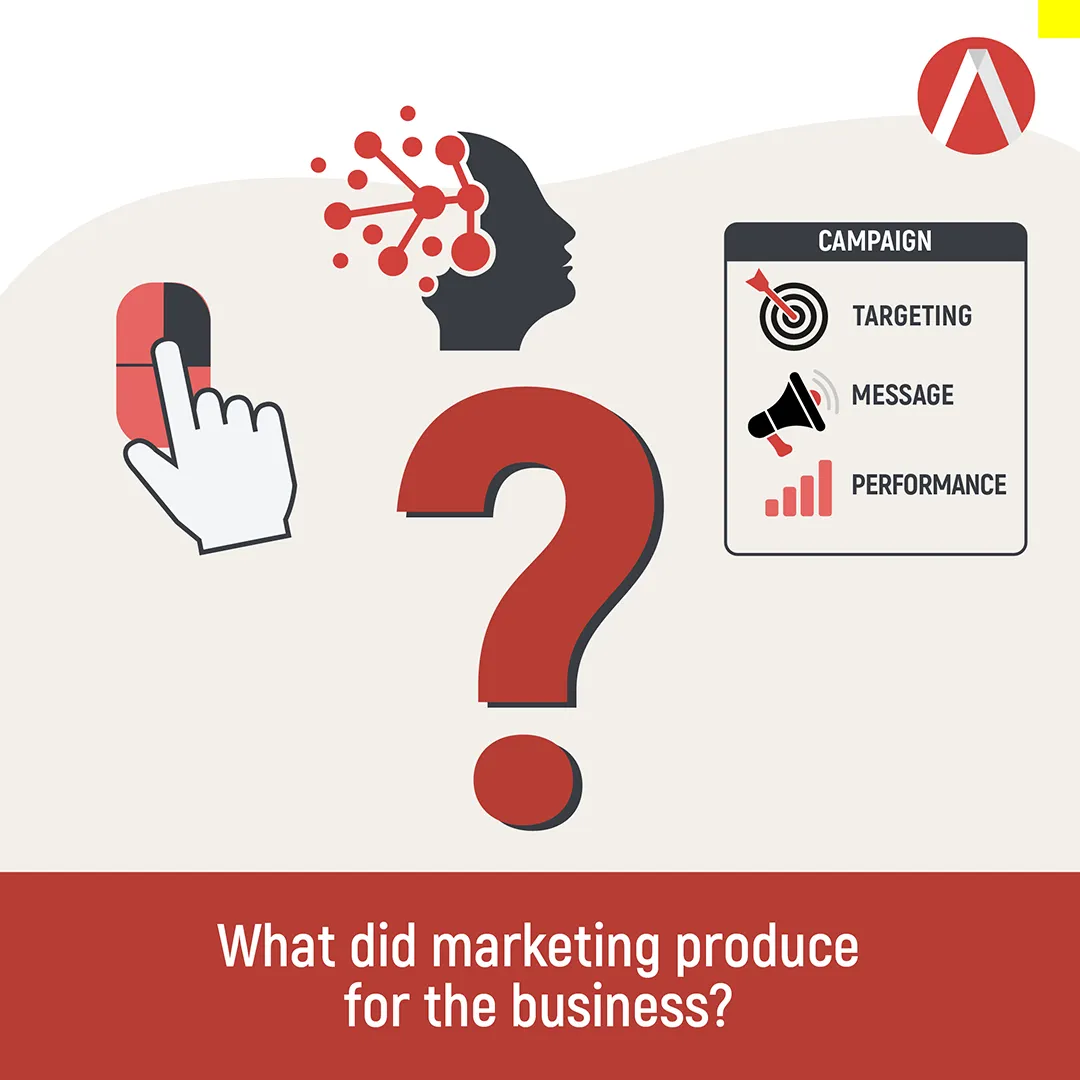
Our job is not simply to defend channels. It is to explain how our strategy influenced revenue.
Build Hybrid Plus Plus Plus Attribution
Emily calls her approach “hybrid plus plus plus attribution.”
There probably is not going to be one magical platform that restores perfect visibility. Instead, leaders need to ask: How many meaningful data sources can we intelligently stitch together?
That includes software attribution, self-reported attribution, CRM data, conversational intelligence, customer behavior, sales insights, and ultimately revenue and lifetime value.
Conversational AI is especially interesting. Sales calls, chats, texts, and customer-service interactions contain enormous amounts of intelligence that once required hours of manual work to uncover.
AI can now identify intent, sentiment, attribution signals, customer needs, and personal details at scale.
The opportunity is to combine what customers did, what they said, and what the business ultimately earned.
That is the quilt.
Revenue Is Still the Language of the Boardroom
Despite all the complexity, Emily kept returning to something remarkably simple: “Marketers need to be measuring their influence on revenue, period.”
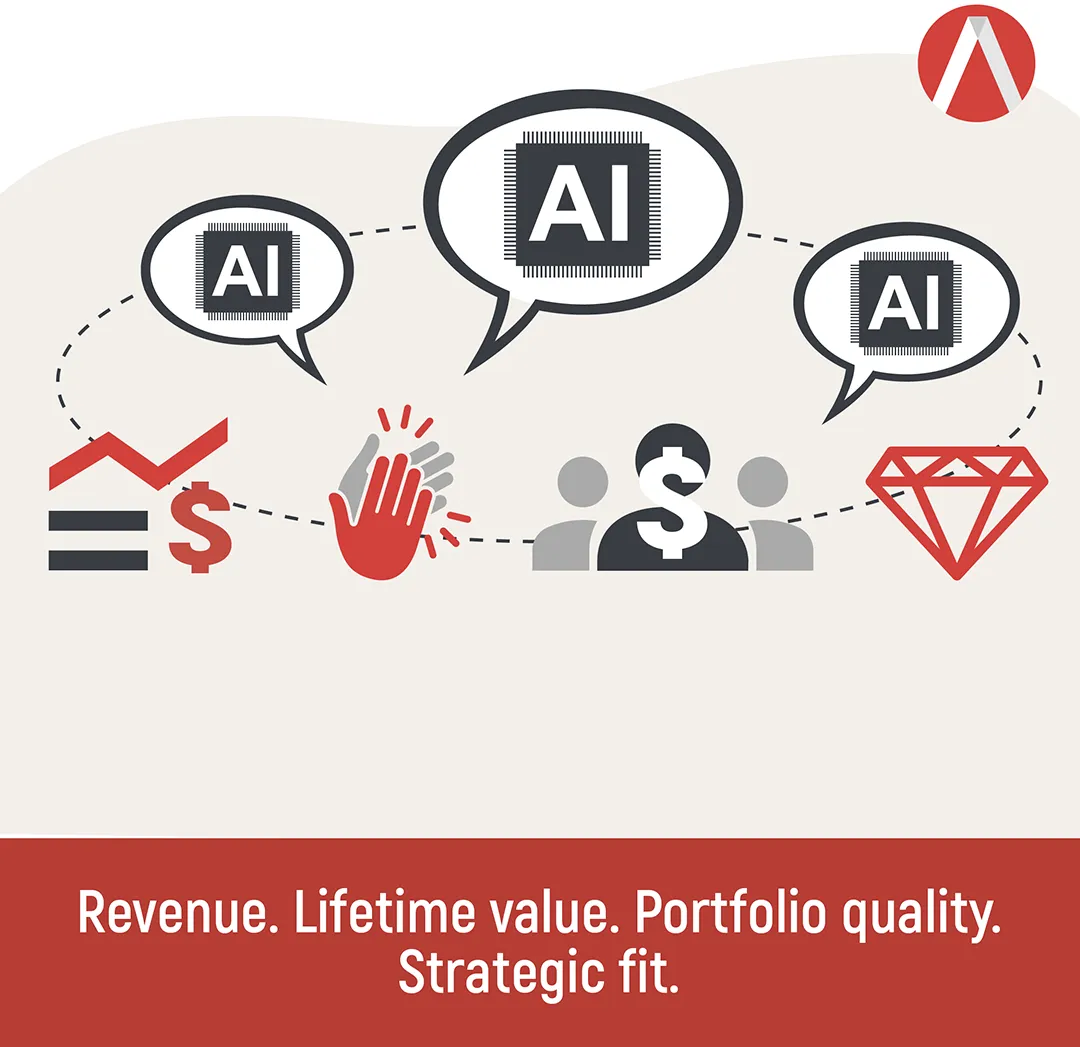
Revenue. Lifetime value. Portfolio quality. Strategic fit.
These are the measures that allow marketing leaders to defend investment and intelligently advocate for more.
And our responsibility cannot stop when a lead enters the CRM.
If marketing creates awareness, generates interest, and produces a lead, but that lead goes unanswered or is mishandled, marketing ROI suffers too.
Emily argues that marketers need a seat at the table not only for the marketing tech stack, but for the sales tech stack as well.
I agree.
Give Your Team Permission to Multiply
One of my favorite ideas from Emily was not an attribution model at all.
She calls them “multiply days.”
Meetings disappear. Her marketing team gets protected time to experiment with AI and redesign how work gets done.
One team member turned a three-hour task into a 15-minute process.
That is not simply productivity. It is capacity creation.
And there is an important leadership lesson here. We cannot hand employees AI tools and expect transformational results while asking them to experiment off the side of their desks.
Sometimes leaders need to create the space for transformation to happen.
Build the Quilt Before You Buy Another Tool
As leaders plan for 2027, there will be no shortage of technology promising better answers.
Emily offers a useful filter.
Is this technology helping us do something, or is it providing the data that helps us understand something?
If it does neither, we should question why it is in the stack.
AI is making attribution messier, but it is also giving marketers an extraordinary ability to connect signals that previously lived in different systems, conversations, and human memories.
Our goal is not to recreate a perfectly trackable customer journey.
It is to build enough understanding to make better strategic decisions about where to invest next.
Emily’s warning brings the entire conversation back to where it belongs: “The second you stop providing proof of what you’re working on and what it’s delivering to the business in terms of revenue, you lose your seat at the table.”
Marketing deserves that seat.
But we have to keep earning it.
Questions to Ask Yourself
- Is your attribution model explaining strategy, or simply assigning credit to channels?
- What important customer signals currently sit outside your measurement systems?
- Can you clearly connect marketing investment to revenue and lifetime value?
- Where could conversational AI reveal customer intelligence you currently cannot see?
- Are you giving your team the time to rethink how AI can fundamentally change their work?
If you want to explore these ideas further, I encourage you to listen to my conversation with Emily Popson on StrategyCast Episode 606, where we discuss hybrid attribution, AI-assisted buyer journeys, conversational intelligence, revenue measurement, marketing technology, and why proving marketing’s business impact has never been more important.