
“AI is great, but you have to have the tacticians. You have to have the people using the AI to your advantage in a way that other people can’t.” – Rick Brown

Rick Brown
What happens when businesses invest in powerful AI technology before they’ve built the strategy, brand, and customer experience needed to make it successful?
I was genuinely excited to sit down with Rick Brown, founder of MarketStorm, for this week’s StrategyCast conversation. Rick brings a fascinating perspective shaped by his experience in sports and entertainment marketing, entrepreneurship, and sophisticated audience intelligence.
What I especially enjoyed about our conversation was Rick’s refreshing willingness to challenge the assumption that more technology automatically creates more growth.
We share a belief that I hold deeply at Avocet: Technology can accelerate a strong strategy, but it cannot compensate for the absence of one.
And as businesses prepare for 2027, that distinction has never felt more important.
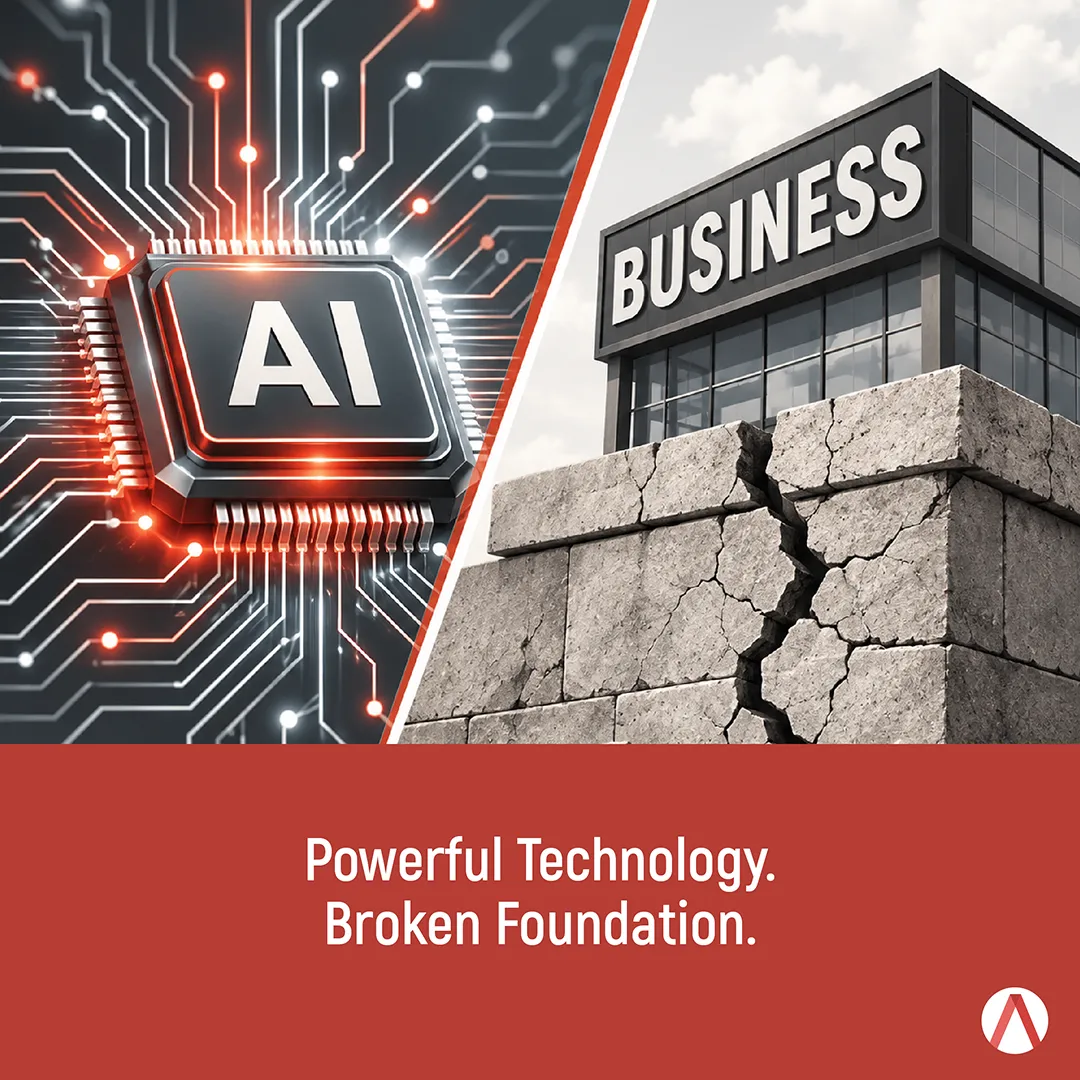
AI Doesn’t Fix What Your Business Hasn’t Figured Out
We’re living through an extraordinary period of technological experimentation.
Everywhere I look, companies are adopting AI platforms, testing automation, and investing in tools promising greater efficiency and growth.
But here’s the question I keep coming back to: Are we solving actual business problems, or simply becoming more sophisticated at avoiding them?
Rick described organizations investing heavily in AI without understanding whether they have the people, processes, or strategic clarity to use it effectively.
It’s like buying a race car before learning how to drive.
The technology may be extraordinary. But without the right expertise and direction, you’re simply accelerating toward the wrong destination.
You Can’t Buy Your Way Out of Weak Brand Equity
One of Rick’s most revealing examples involved a business acquisition.
A new owner purchased an established company and immediately replaced its name, website, and online identity.
Years of customer recognition, reviews, and brand credibility effectively disappeared.
Despite continued advertising investment, the business struggled because the foundation of customer trust had been dismantled.
That example really stayed with me.
At Avocet, we believe brands are built through credible evidence, consistent experiences, and beliefs customers can trust.
You cannot simply replace those assets with a larger advertising budget.
Fix the Funnel Before You Feed It
Rick also challenged the belief that increasing marketing investment automatically produces proportional growth.
You can generate more awareness, attract more prospects, and accelerate audience targeting. But what happens when those opportunities reach a broken sales process?
This reminded me of a valuable observation from previous StrategyCast guest Vi Wickam.
As Vi explained on StrategyCast Episode 584:
“Every step along your marketing funnel, including your sales process, needs to be verified to be aligned… and that you’re not losing those opportunities deep in the funnel that are the most valuable ones.”

Vi Wickam
Exactly.
More advertising cannot repair poor qualification, disconnected teams, weak positioning, or an ineffective customer experience.
Rick reinforced this point during our conversation:
“You have to have your kind of fundamentals in place.”
Before scaling investment, leaders need to understand where opportunities enter the funnel, where they stall, and what prevents them from becoming customers.
Otherwise, we’re simply pouring more water into a leaking bucket.
The Most Valuable Customer Isn’t Always Ready to Buy
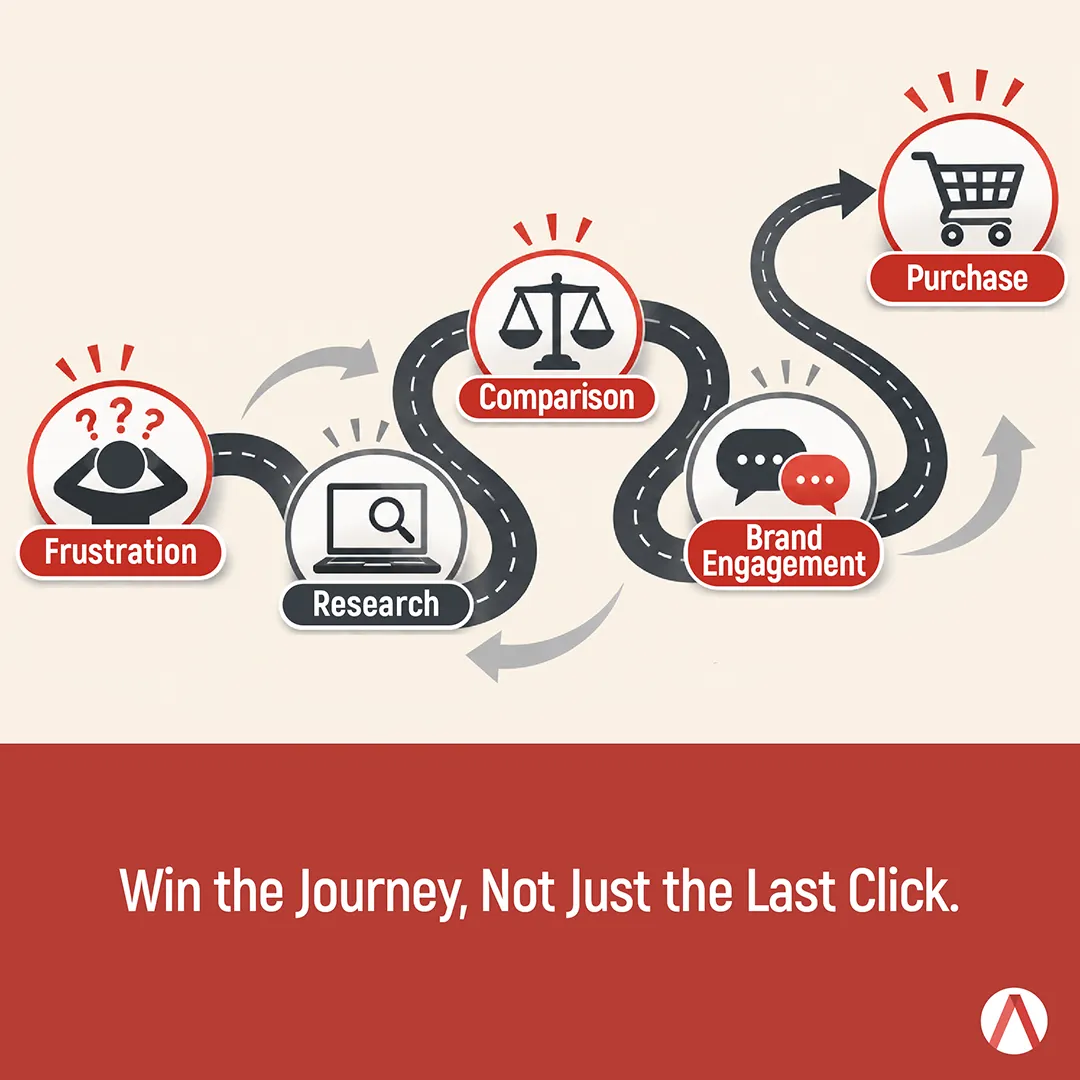
Another fascinating part of our conversation explored what Google calls the “messy middle.”
Customers rarely move directly from awareness to purchase. They research, compare, reconsider, and seek reassurance before making decisions.
Google’s research describes this journey as repeated cycles of exploration and evaluation.
Rick’s approach at MarketStorm focuses on identifying early buying signals and helping brands remain relevant throughout that process.
Consider a business still relying on spreadsheets without realizing a better software solution exists.
The opportunity isn’t necessarily to advertise software immediately.
It’s to understand the frustration driving that customer to search for answers.
That’s where strategic marketing becomes powerful.
Smarter Targeting Still Requires Human Judgment
Of course, greater targeting precision brings greater responsibility.
Rick and I discussed how frustrating advertising becomes when consumers see the same messages repeatedly.
Relevance should feel helpful, not invasive.
AI can improve timing, audience selection, and efficiency. But marketers must still determine appropriate frequency, messaging, and boundaries.
That balance requires judgment, empathy, and an understanding of the human being behind the data.
Technology should strengthen the relationship, not overwhelm it.
Growth Begins With Better Questions
As we look toward 2027, I believe marketing leaders have an important opportunity to rethink where their investments belong.
Before purchasing another platform, ask whether the business has a clear strategy, differentiated positioning, credible brand, and functioning customer journey.
Then determine where AI can genuinely create an advantage.
At Avocet, this reflects our belief that strategy establishes direction, credible evidence builds confidence, and trust creates the conditions for growth.
Questions to Ask Yourself
- Are we investing in AI to solve a defined business problem or simply keeping pace with competitors?
- Where are weaknesses in our brand or customer experience undermining marketing performance?
- Are we measuring the entire buying journey or rewarding only the final click?
- Could better funnel alignment produce more growth than a larger advertising budget?
- Are our AI investments strengthening customer trust or putting it at risk?
Rick’s perspective brings us back to a critical leadership responsibility.
“If people focus all their energy in the wrong kind of moment in time, then it’s a total missed opportunity, right?”
That’s the challenge facing every organization embracing AI.
The goal isn’t to automate everything. It’s to understand what deserves to be accelerated, what needs to be repaired, and what must remain fundamentally human.
Because AI can make your business move faster. Only a sound strategy can ensure it’s moving in the right direction. To explore these ideas further, listen to my conversation with Rick Brown on StrategyCast Episode 615, where we discuss AI strategy, brand equity, customer intelligence, the messy middle, and building more sustainable business growth.