
“Movement pulls people in. It doesn’t ask, ‘What do we want to say to consumers?’ It asks, ‘What do we want people to do?'” Scott Goodson
Key Takeaways
- The brands creating lasting growth are inspiring participation, not simply broadcasting messages.
- A movement gives employees, customers, and partners a shared belief they can rally behind.
- Purpose only creates value when it is activated throughout the organization.
- AI will accelerate movement-building, but only for organizations willing to move at the speed of culture.
- The future belongs to brands that earn attention by creating relevance, not buying interruption.
One of the greatest joys of hosting StrategyCast is the opportunity to sit down with leaders who challenge the way we think about business. Some conversations leave you with a new tactic. Others leave you with an entirely new lens for viewing leadership. My recent discussion with Scott Goodson, founder of StrawberryFrog and one of the pioneers behind movement marketing, was exactly that kind of conversation.

Scott Goodson
From the moment Scott began sharing stories from his work with brands like IKEA, Pampers, Visa, Northwell Health, and countless others, I found myself thinking less about marketing campaigns and more about human behavior. His philosophy isn’t really about advertising. It’s about giving people something meaningful to believe in.
That distinction may be one of the most important competitive advantages organizations can build today.
People Don’t Want Another Campaign. They Want Something to Join.
For decades, marketing focused on capturing attention. Buy enough media, create enough impressions, and eventually customers would respond.
Scott believes those days are fading.
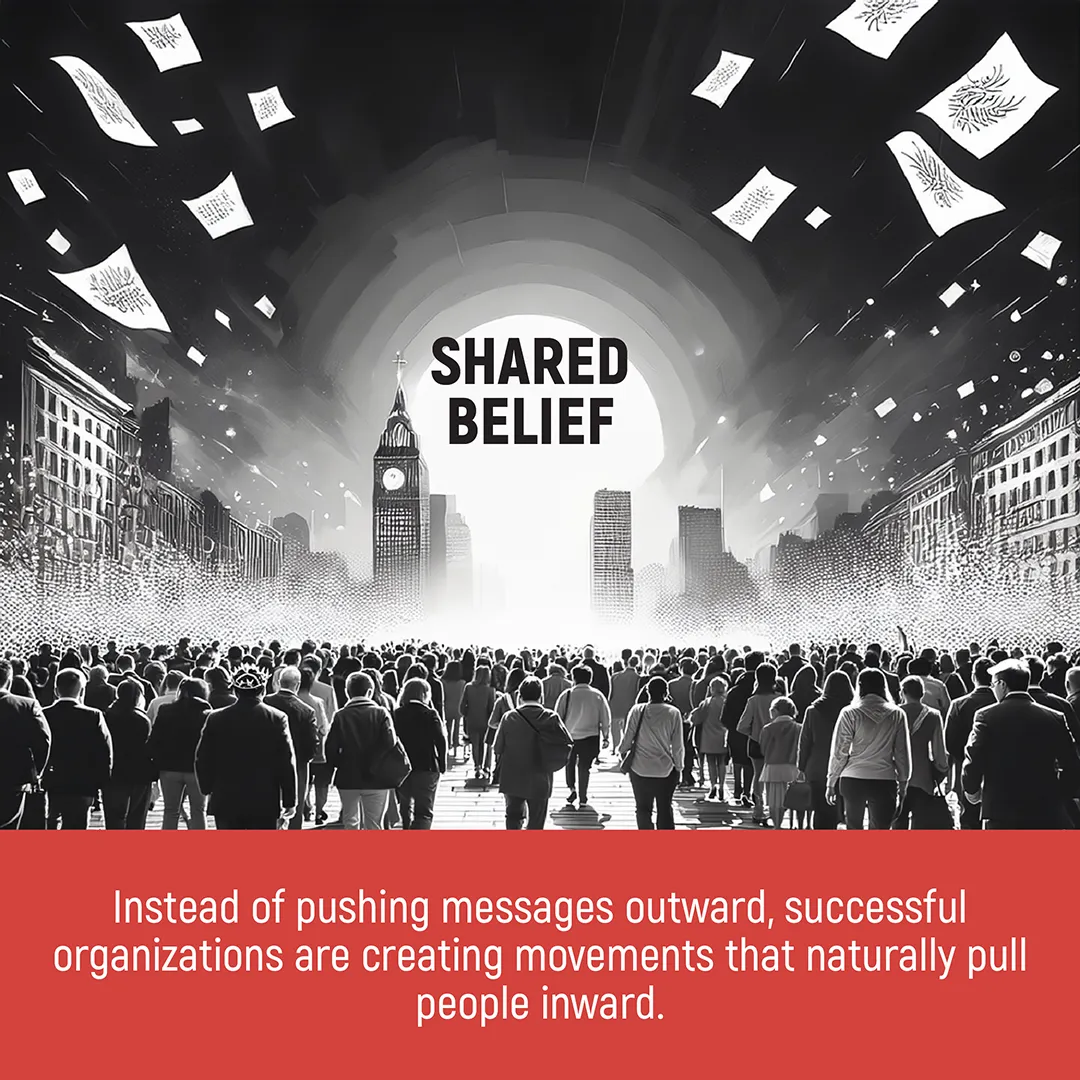
Instead of pushing messages outward, successful organizations are creating movements that naturally pull people inward.
That subtle shift changes everything.
Rather than asking, “What do we want people to hear?” leaders begin asking, “What do we want people to believe? What do we want them to become part of?”
When brands answer those questions well, customers stop acting like audiences and start acting like advocates.
Scott shared a simple but profound observation that stayed with me long after our conversation ended, “Campaigns end when the media stops. Movements have perpetual momentum.”
Think about that for a moment.
Campaigns have expiration dates.
Movements create lasting energy.
That difference explains why some organizations continue building loyalty long after competitors have moved on to the next campaign.
Belonging Is Becoming Business Strategy
One insight Scott shared connected immediately with another remarkable conversation I recently had with Lori Oliver, whose work has helped shape iconic brands including Spanx, Home Depot, and Coca-Cola.
During StrategyCast Episode 565, Lori captured something every business leader should remember:
“What is it beyond? … What’s connecting me? What’s the umbilical cord from me to the company? I need the connection.”

Lori Oliver
That desire for connection is exactly what Scott’s movement philosophy addresses.
Customers today aren’t simply comparing products. They’re looking for meaning and organizations whose values align with their own.
They’re looking for something worth joining.
Scott’s examples brought this to life beautifully. Pampers stopped thinking of itself as a diaper company and instead rallied around baby development. A financial institution stopped talking about banking products and instead inspired people to build financial confidence. Healthcare shifted from providing services to encouraging people to raise health.
Notice the pattern.
None of these organizations started with products. They started with people. I have always been a champion of the “People-First” approach to deliver a premium marketing message and it was gratifying to see such a respected marketer like Scott hold those same values close.
Purpose Must Be Lived, Not Laminated
Purpose has become one of the most overused words in business.
Scott challenged that reality directly.
Too often, organizations invest months crafting a purpose statement that ultimately lives inside an annual report or framed on a conference room wall.
Purpose becomes something the company says instead of something the company does.
That observation reminded me again of Lori Oliver’s perspective.
“Even if you do maintain a similar purpose and change out the tagline or the company just evolves, if you don’t stay focused on enacting it in every part of your company, it’s still not going to work.”
That may be one of the strongest bridges between these two conversations.
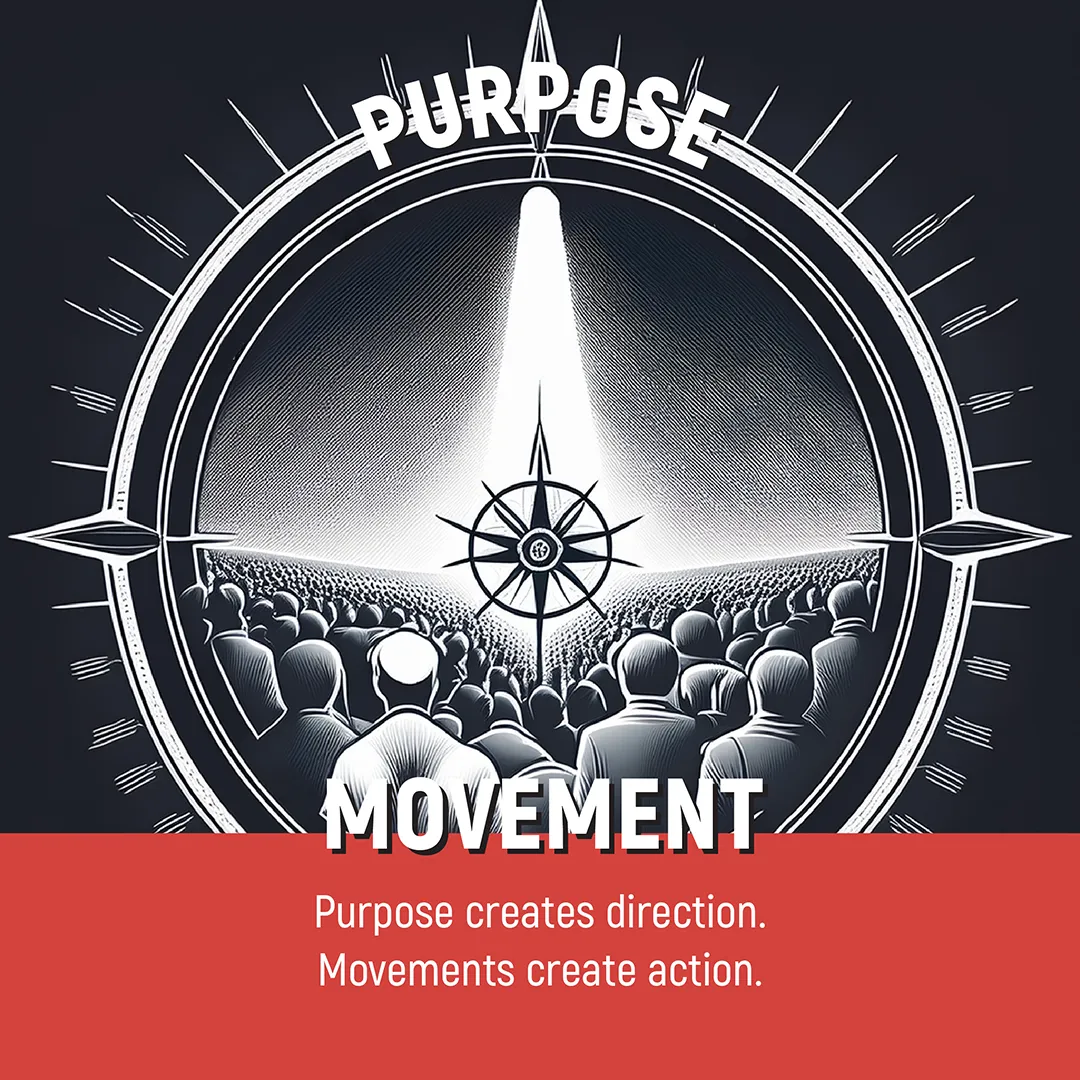
Purpose creates direction.
Movements create action.
One without the other rarely changes anything.
Culture Moves Faster Than Approval Processes
Perhaps my favorite moment of our conversation came near the very end.
When I asked Scott what movement-driven organizations will look like five years from now, his answer immediately reframed how I think about leadership in the AI era.
He explained that successful organizations won’t simply adopt AI.
They’ll use AI to accelerate movements.
Then he delivered the sentence I haven’t stopped thinking about.
“Historically, brands have moved at the speed of the approval process. The future belongs to brands that move at the speed of culture.”
That is an extraordinary leadership challenge.
Because culture never waits.
Customers don’t pause while organizations navigate approval chains.
Markets evolve.
Expectations change.
Conversations move.
Organizations that can recognize those shifts and respond with authenticity will build extraordinary momentum.
Those that cannot risk becoming increasingly irrelevant.
This shift from broadcasting campaigns to rallying around cultural ideas is echoed in mainstream analysis as well. Forbes’ overview of seven cultural trends shaping business in 2026 and beyond argues that brands now win by understanding and engaging with emerging movements in society, not simply by buying more media. Long-term growth belongs to organizations that move at the speed of culture, not the pace of corporate approvals.
The Movement Advantage
If there was one overarching lesson I took away from my conversation with Scott, it’s this:
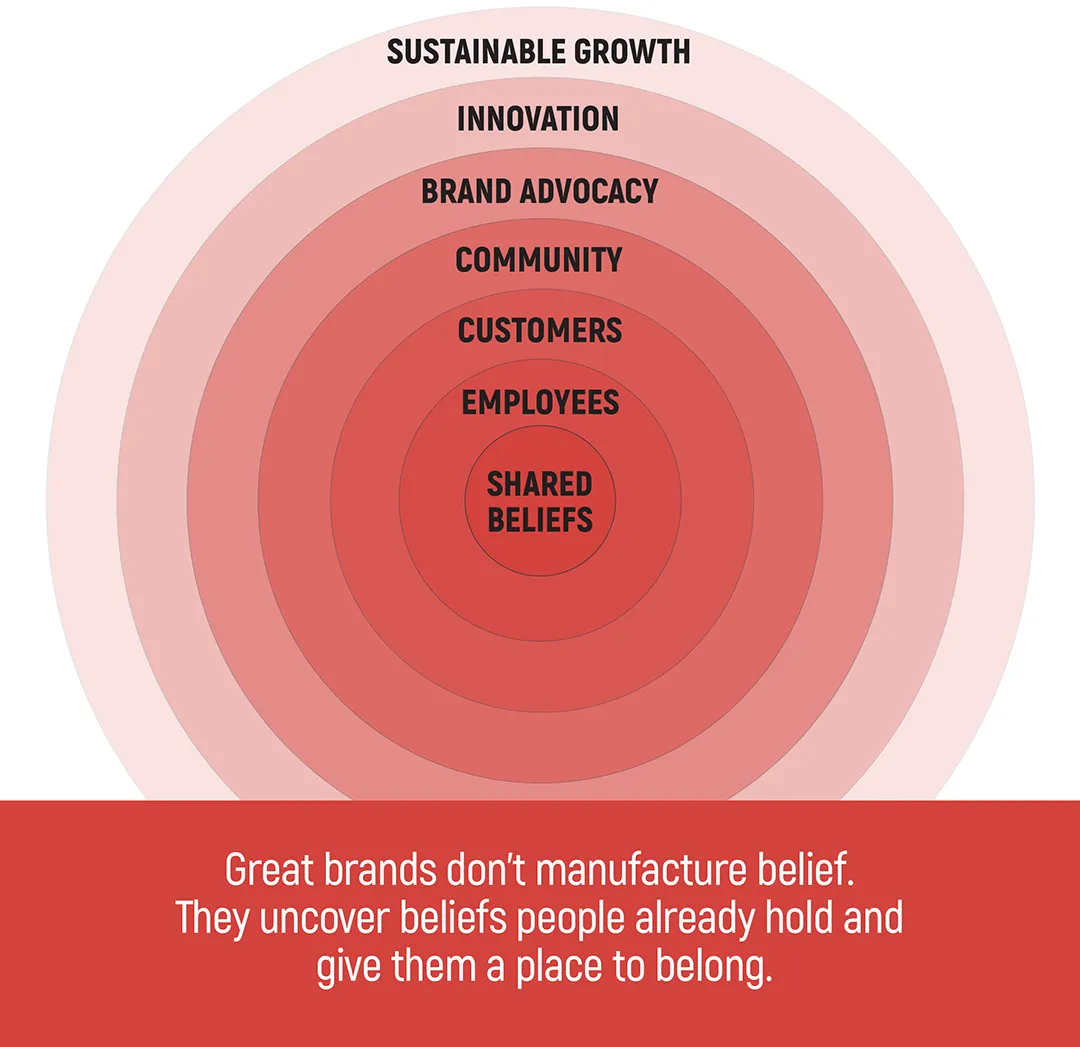
Great brands don’t manufacture belief.
They uncover beliefs people already hold and give them a place to belong.
As leaders, we often spend enormous energy perfecting our messaging.
Perhaps the better question is whether we’re creating something people genuinely want to become part of.
That’s the difference between attention and affinity.
Between awareness and advocacy.
Between campaigns and movements.
And increasingly, it may become the difference between organizations that simply compete and those that shape the future.
Questions to Ask Yourself
- Is your organization creating campaigns, or is it building a movement people genuinely want to join?
- What belief unites your employees, customers, and partners beyond the products you sell?
- Does your purpose influence daily decisions, or does it exist primarily as a statement?
- Are you moving at the speed of culture or the speed of internal approvals?
- What movement could your organization lead that your competitors cannot?
If you’d like to explore these ideas further, I encourage you to listen to my conversation with Scott Goodson, where we discuss movement marketing, cultural relevance, AI-powered brand leadership, and why the future belongs to organizations that inspire belief rather than simply demand attention.